
iPhone Duo First Look: Apple's $1,999 Foldable is Finally Here
Apple has finally entered the foldable market. The iPhone Duo has been officially unveiled, and people are already going crazy over it. After getting an initial look at the new colors and overall shape, it's time to dive deeper. Let's look at the specs, the new displays, and how this completely new form factor actually feels to use.
First look at the design and displays
This is Apple's first book-style foldable phone. The frame is crafted from titanium with rounded edges. If you've held the iPhone Air, the metallic finish and curved sides will feel very familiar.
The displays are the real stars here. You get a 5.4-inch outer display and a massive 7.6-inch inner display. To put that in perspective, the inner screen is 50% larger than the iPhone 18 Pro Max. Both are OLED panels, and both support refresh rates up to 120Hz.
Apple tackled the notorious foldable crease with a custom nano-texture finish. This matte-like, anti-reflective coating handles bright lights effortlessly. More importantly, it hides the crease incredibly well. The hardware engineers completely cracked the code on this one. The crease is rarely visible during normal use.
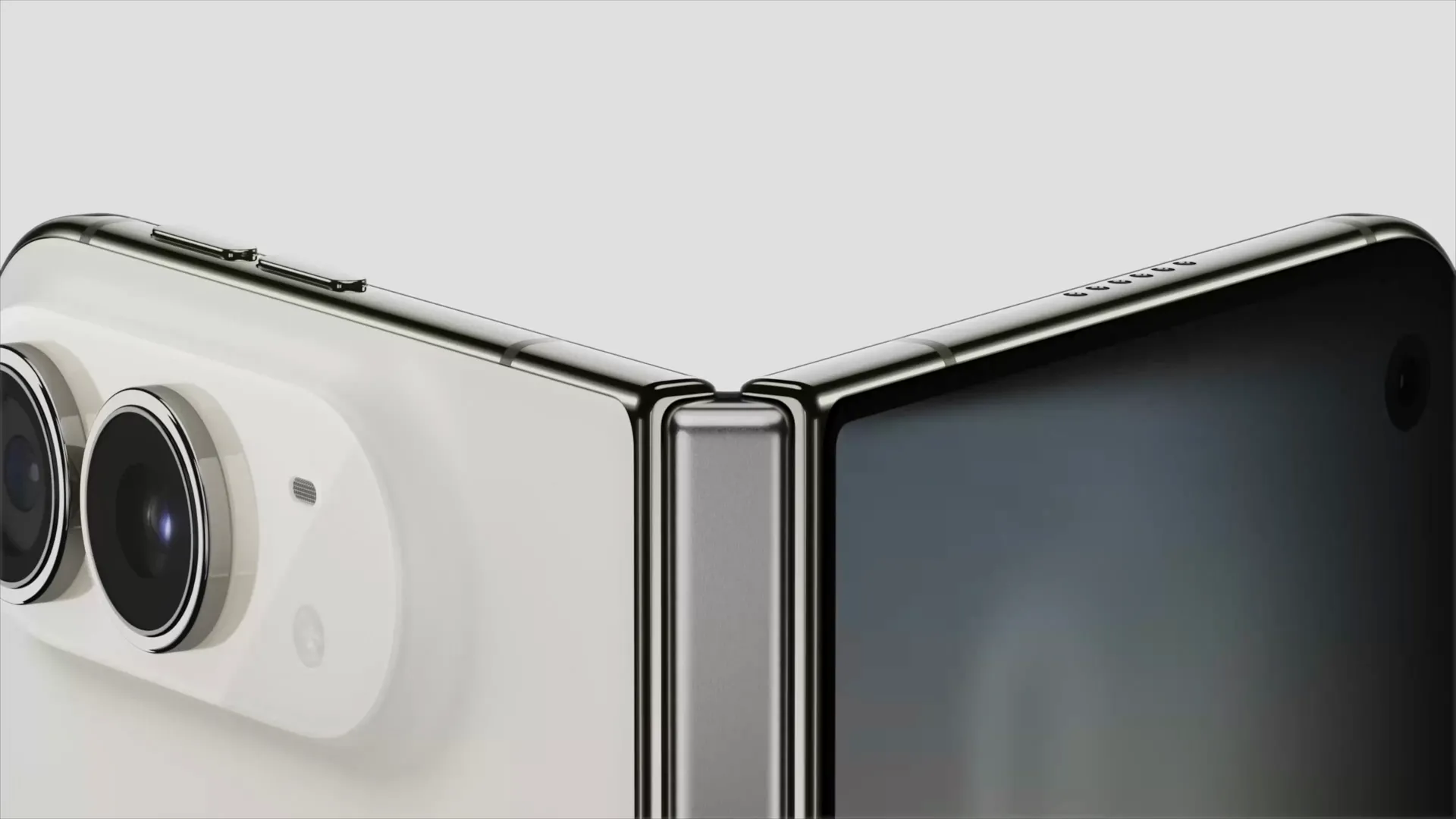
The hinge itself contains up to 100 individual components. The titanium structure supports the whole device, allowing it to remain partially open at multiple different angles.
The software and multitasking experience
The device runs on a tailored operating system. It doesn't feel like traditional iPad software. Instead, it behaves more like an expanded version of iOS.
Multitasking relies heavily on intuitive gestures. You can run two apps side-by-side, and moving content between the outer and inner displays is completely seamless. There is also a beautiful progressive blur animation when opening or folding the device. It is a fantastic piece of engineering that makes the interface feel incredibly fluid.
Biometrics and physical controls have shifted to accommodate the folding design. There is no Face ID here. Instead, Touch ID is located on the right side of the device. The software controls are also pinned to the right edge of the screen for easier reachability.
Interestingly, the volume and power buttons are located on the top of the device instead of the sides. It feels unusual at first. But when you rotate the phone into landscape mode, the layout makes perfect sense. The right button increases volume, and the left button decreases it.
Camera and battery performance
The camera setup is surprisingly streamlined. There are only two physical rear cameras. You get a 48MP Fusion main camera and a 48MP Ultra Wide camera.
Inside, there is an under-display selfie camera. It records up to 1080p at 60 frames per second. That is perfectly fine for FaceTime calls, but you probably won't want to use it for high-quality vlogging.
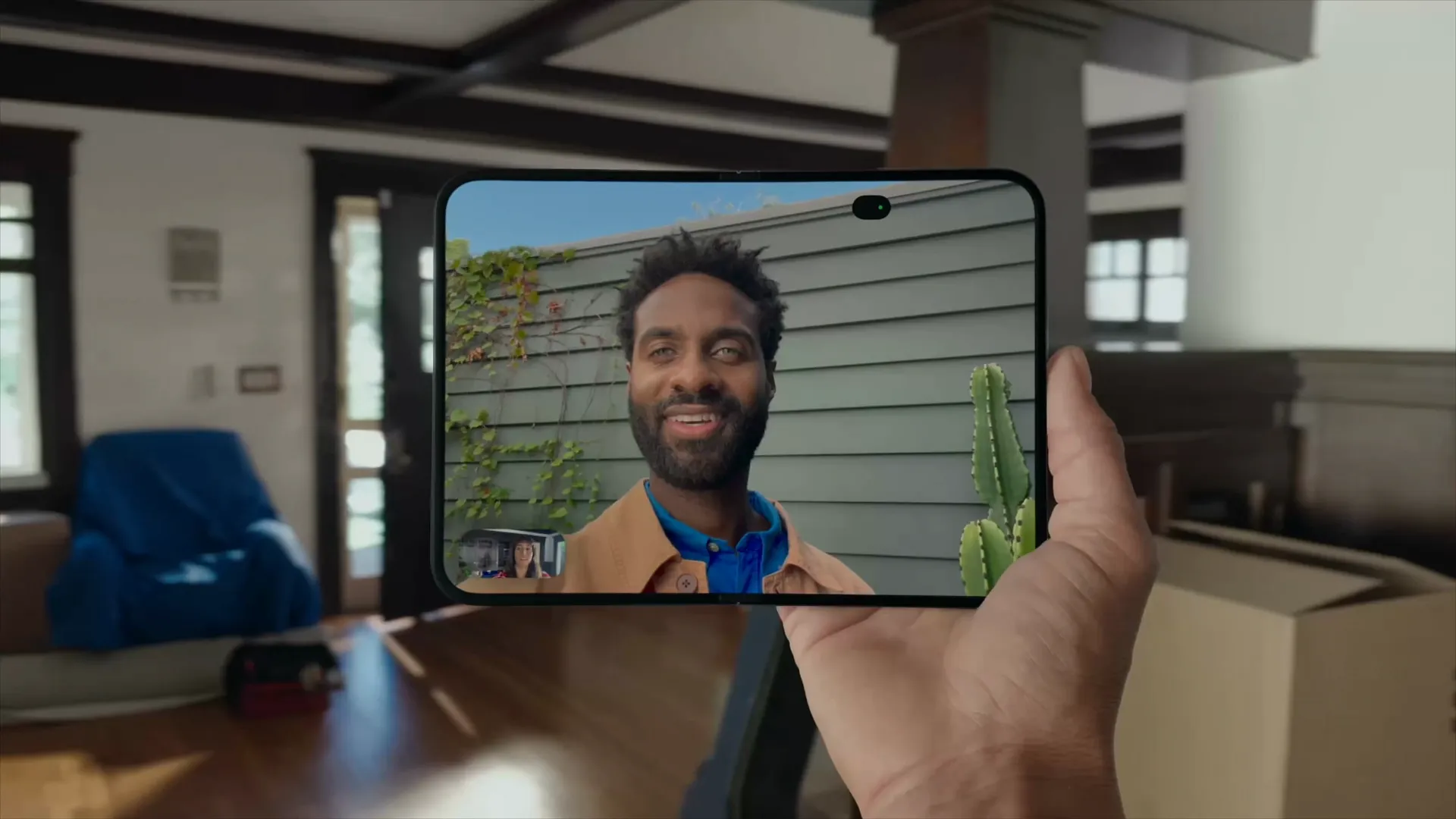
Battery life looks very promising. Apple claims up to 31 hours of video playback on the inner display and up to 44 hours on the outer display. If you are constantly switching between the two screens, you can expect an average of 37 to 38 hours of mixed use.
When it's time to juice up, the device charges fast. You get a 50% charge in just 20 minutes plugged in, or you can use wireless charging. And yes, despite being a foldable, it fully supports MagSafe charging accessories.
Apple Pencil support and accessories
Here is a massive milestone. The iPhone Duo is the first iPhone ever to support the Apple Pencil. Better yet, it works on both the inner and outer displays. The device also carries an IP68 water and dust resistance rating.
Apple is launching two dedicated accessories alongside the phone. The basic case costs $79 and comes in Sand and Navy Blue. It includes built-in MagSafe magnets so you can charge right through it.
The real standout is the $129 Folio case, available in Taupe and Navy Blue. It features an integrated, adjustable kickstand that completely changes how you use the device. You can prop it up at multiple angles to watch movies, read, or take hands-free photos.
What works well
- The hidden crease: The custom nano-texture finish does an incredible job of masking the fold line.
- Fluid animations: The progressive blur effect when opening and closing the device makes the software feel highly polished.
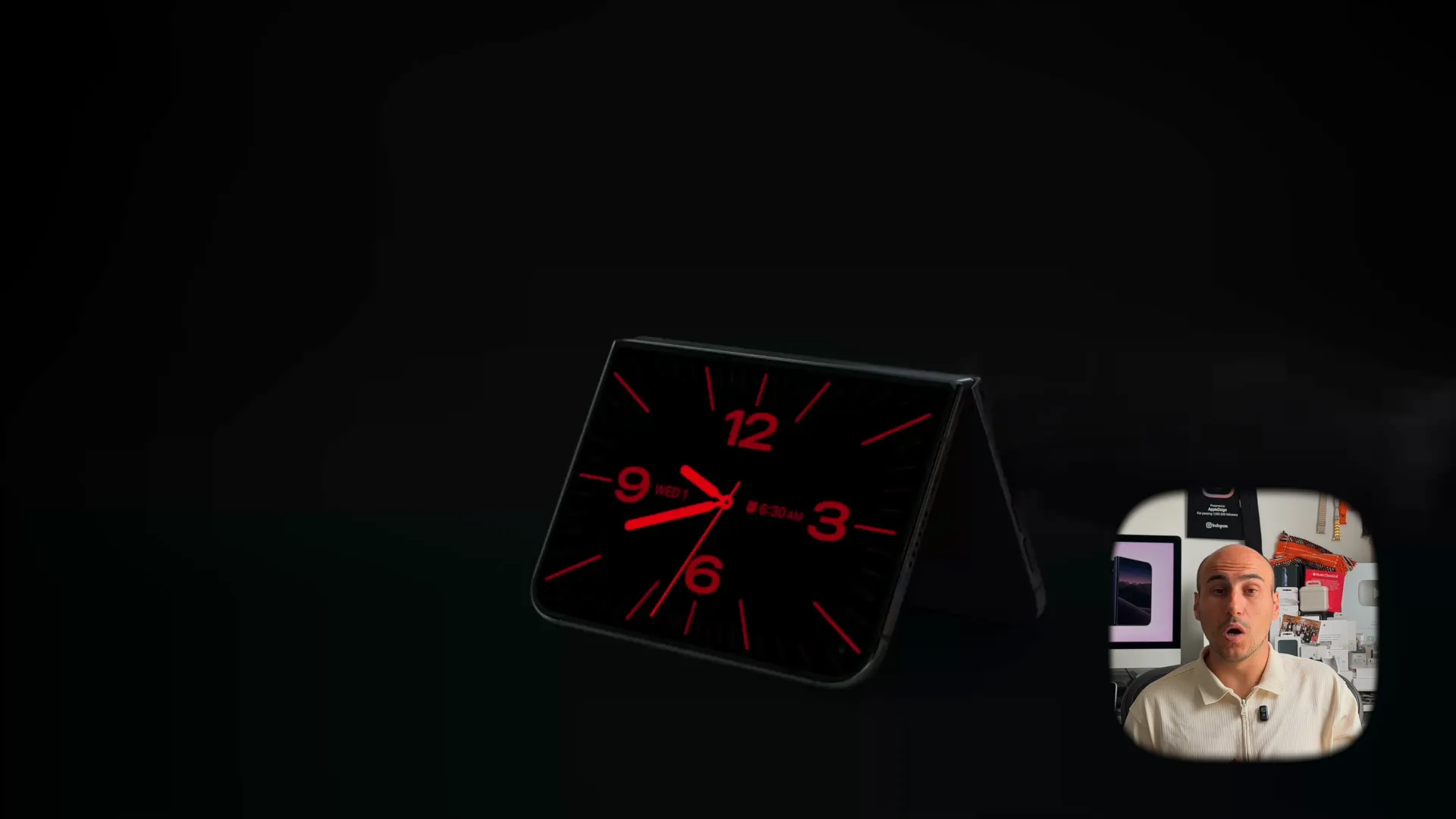
- StandBy mode: If you lock the phone while it's partially folded in "tent mode," it activates StandBy mode. This turns the device into a perfect bedside clock or calendar.
What could be better
- No dedicated zoom: The lack of a physical telephoto lens feels like a missed opportunity for a device this premium.
- Inner camera quality: The under-display selfie camera capping out at 1080p is a noticeable compromise.
- The button learning curve: Having volume and power buttons on the top edge will take some getting used to for long-time iPhone users.
The bottom line
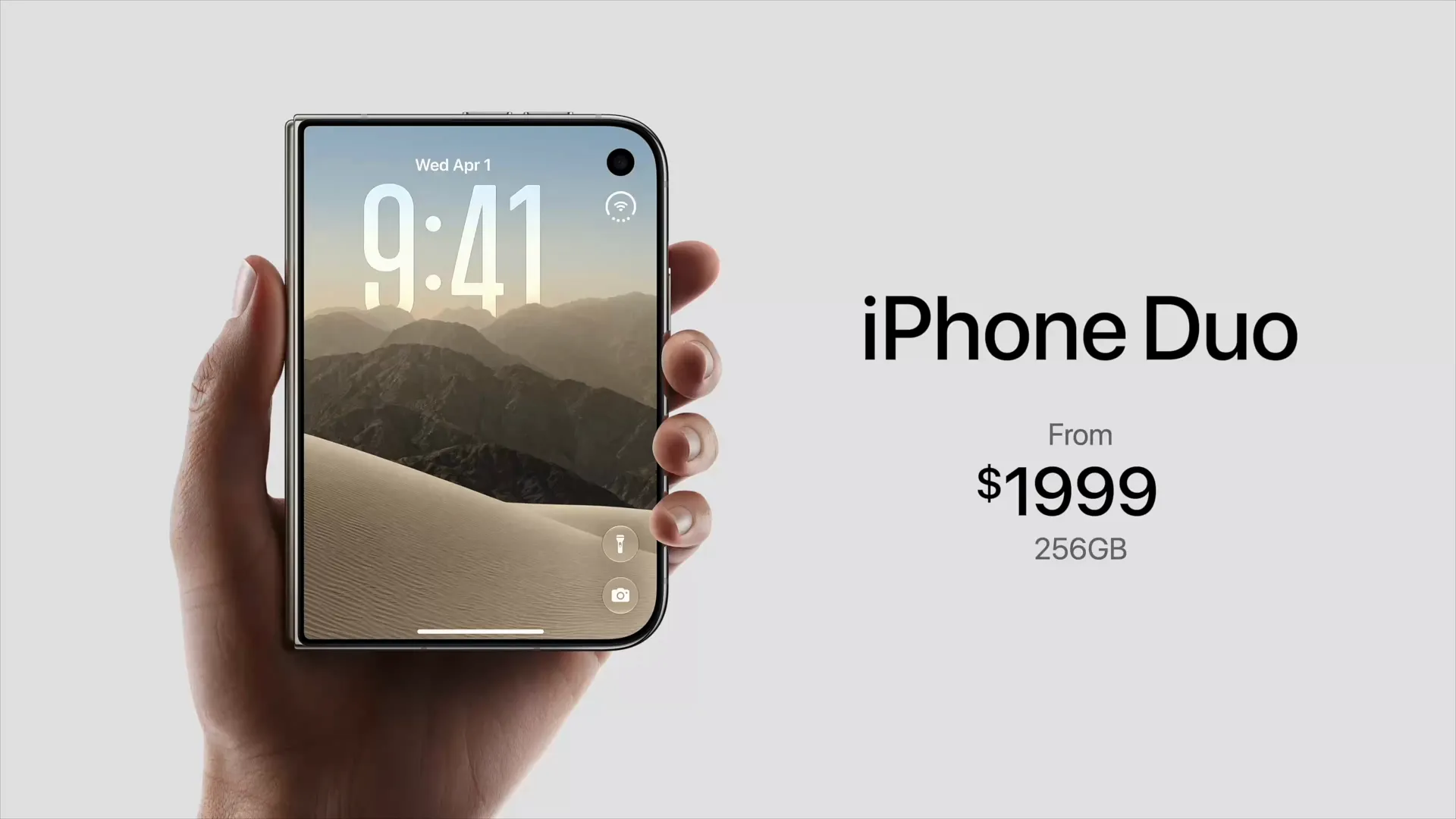
The iPhone Duo starts at a steep $1,999. That puts it right in line with other premium foldables on the market. Pre-orders open on October 16, and the device will be officially available on October 23.
Apple has delivered a stunning, highly engineered device that feels like a massive leap forward for the iPhone lineup. While we will need a long-term review to test its durability and real-world battery life, the initial hardware and software integration is incredibly impressive. If you have been waiting for Apple to perfect the foldable formula before jumping in, the iPhone Duo might be exactly what you are looking for.
Last updated: Oct 14, 2026