
MacBook Neo vs Air vs Pro: Which one should you buy?
Apple just dropped a massive update to the MacBook lineup. They released a highly unexpected $599 MacBook Neo alongside fresh M5 versions of the MacBook Air and MacBook Pro.
These are not just minor spec bumps. They completely change how Apple divides the laptop market. If you are thinking about upgrading, picking the wrong model could be a costly mistake. Let's break down exactly what each machine offers so you can find the perfect fit.
Performance and processing power
The biggest differentiator between these three laptops is what sits under the hood.
The MacBook Neo is Apple's new budget-friendly entry tier. It is the first Mac powered by an iPhone chip. It uses the exact same A18 Pro chip found inside the iPhone 16 Pro. This chip is highly efficient and perfectly capable of handling web browsing, document creation, and even light video editing.
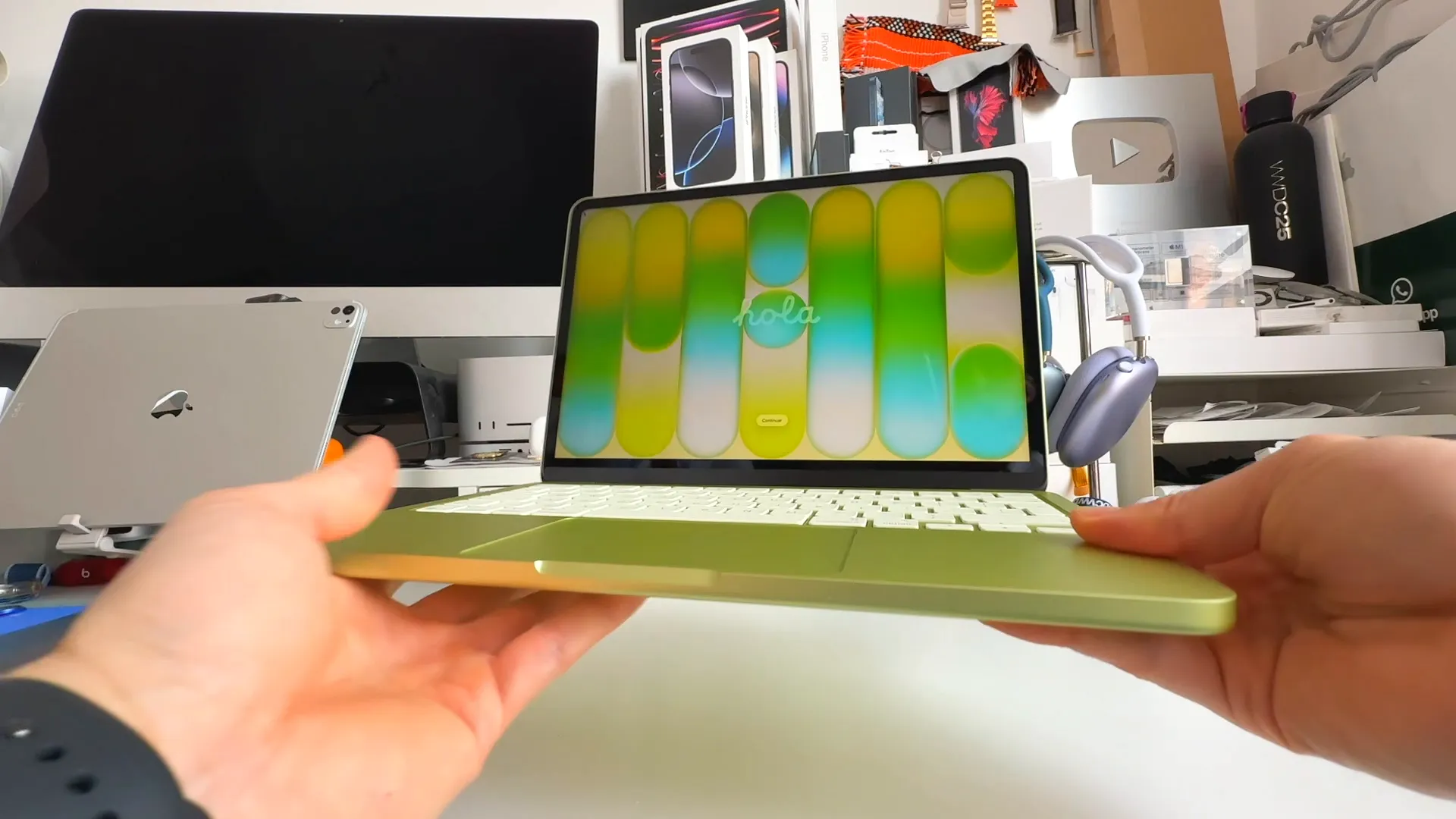
The MacBook Air takes a step up to the M5 chip. This is a full-class desktop processor. It is incredibly capable and handles heavy multitasking, coding, and design work without breaking a sweat. Like previous Air models, it features a fanless design. It runs completely silent but will eventually throttle performance if you push it with intense, sustained workloads.
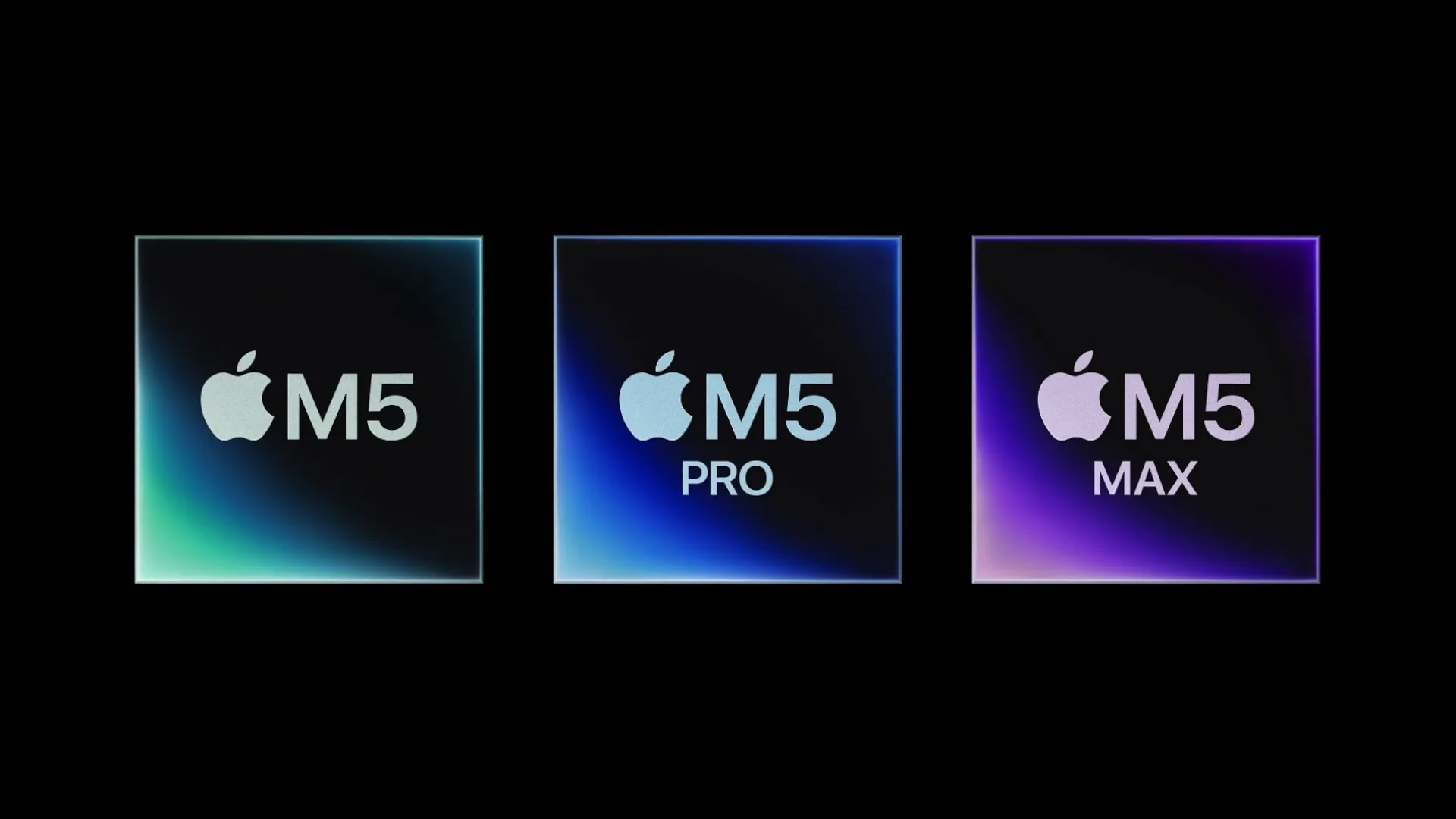
The MacBook Pro is built for raw, sustained power. It features an integrated fan to keep the system cool during massive renders or complex exports. You can configure the Pro with three different chips:
- M5: 10-core CPU and 10-core GPU.
- M5 Pro: 18-core CPU and 20-core GPU.
- M5 Max: 18-core CPU and a massive 40-core GPU.
Displays and daily hardware
Your visual and tactile experience varies wildly depending on how much you spend.
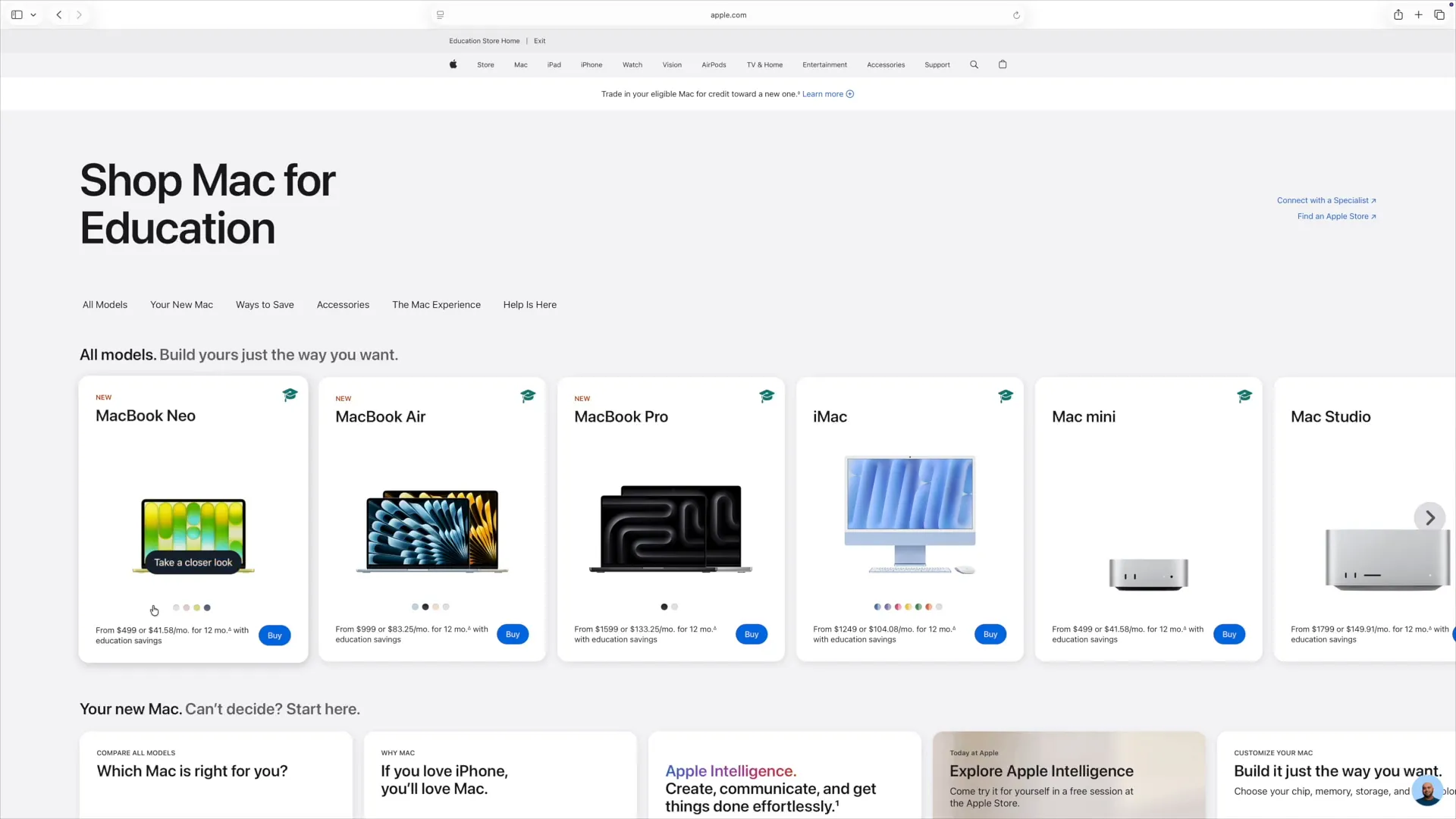
The MacBook Neo features a 13-inch Liquid Retina display. It has an aluminum chassis and comes in four distinct colors: Yellow Citrus, Pink Blush, Indigo Blue, and Classic Silver. Interestingly, the Neo uses a mechanical multi-touch trackpad. You actually feel the physical click when you press down. It also features bottom-firing speakers that support Dolby Atmos.
The MacBook Air comes in 13-inch and 15-inch sizes. It upgrades your trackpad to a glass Force Touch surface. This uses haptic feedback instead of a physical click mechanism. The speakers also shift to the top of the chassis for a clearer audio experience.
The MacBook Pro completely outclasses the others in display tech. Available in 14-inch and 16-inch models, it uses a Liquid Retina XDR display with mini-LED technology. More importantly, it supports ProMotion. This delivers a 120Hz refresh rate for incredibly smooth scrolling and animations.
Ports and charging
Connectivity is where the budget-friendly MacBook Neo makes some necessary compromises.
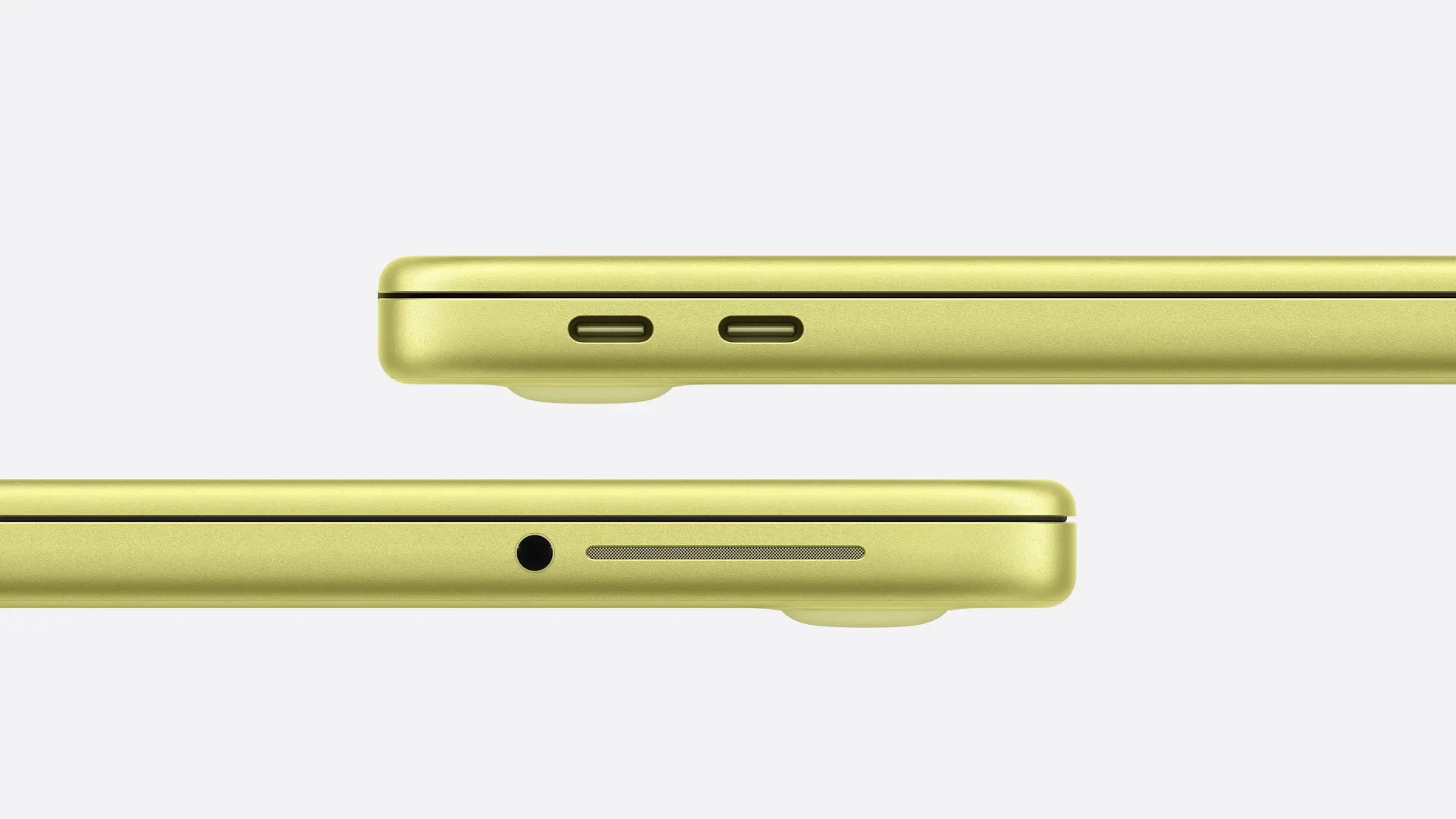
The Neo drops MagSafe charging entirely. It gives you a headphone jack and two USB-C ports on the side. One is a USB 3.0 port capable of powering an external display. The other is a slower USB 2.0 port. There is no Thunderbolt support here.
Both the MacBook Air and MacBook Pro include dedicated MagSafe charging ports. This is a huge advantage because it frees up your high-speed USB-C ports for external drives, monitors, and accessories.
Pricing and storage configurations
Apple adjusted the base storage and memory across the board, making the starting prices much more competitive.
The MacBook Neo starts at an aggressive $599. That base model gives you 8GB of unified memory, 256GB of storage, and a standard lock key on the keyboard. For $699, you get an upgraded version that includes a Touch ID sensor and doubles the storage to 512GB. Memory on the Neo cannot be upgraded past 8GB.
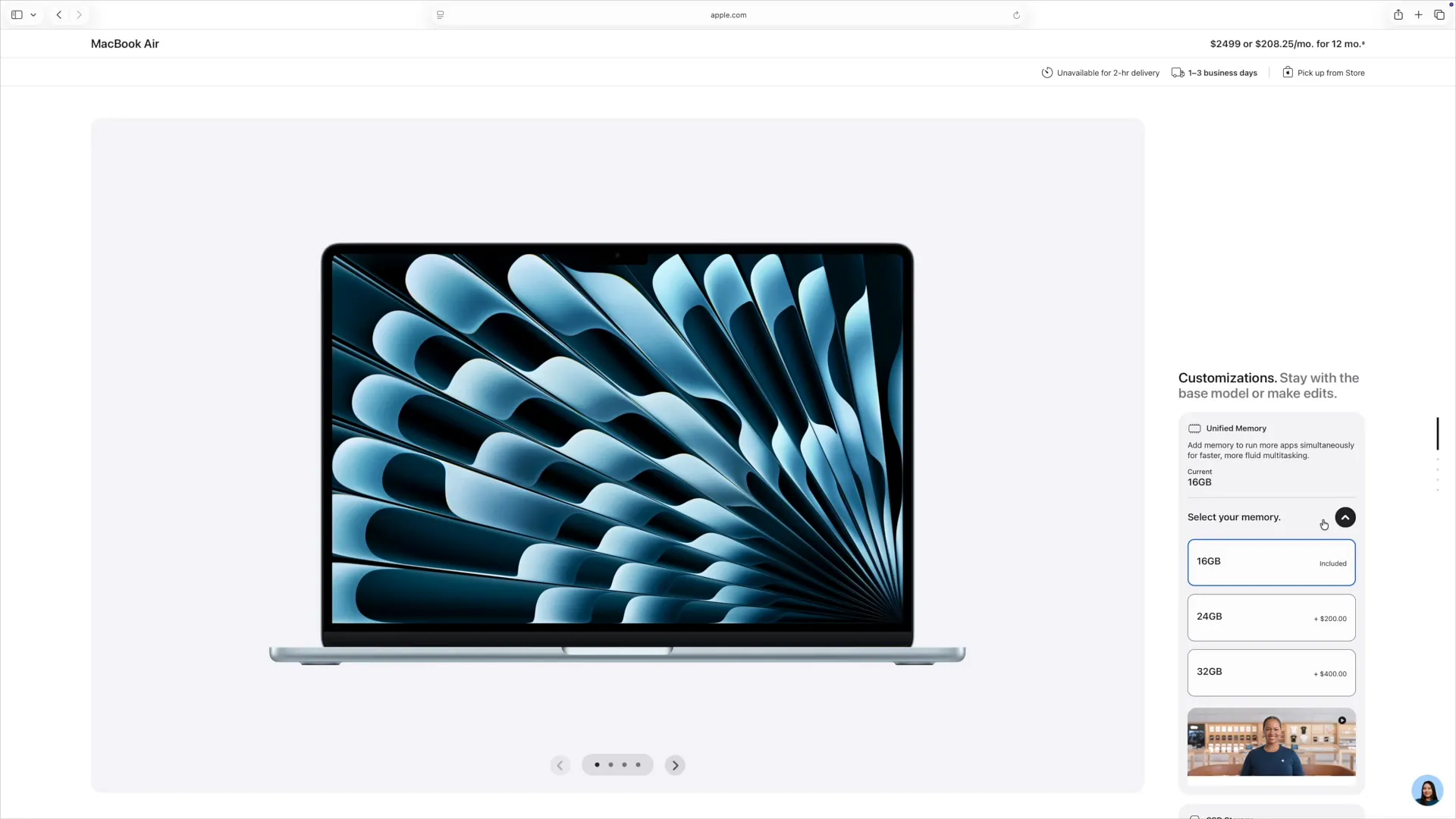
The MacBook Air now starts at $1,099. Apple generously bumped the base specs here. You now get 16GB of unified memory and 512GB of storage right out of the box. You can configure the Air with up to 4TB of storage if you need massive local capacity.
The MacBook Pro lineup gets expensive quickly, but it scales for high-end professionals.
- The base 14-inch M5 Pro starts at $1,699.
- The M5 Pro chip model starts at $2,199 and supports up to 64GB of memory.
- The M5 Max model starts at $3,599 and scales all the way up to 128GB of unified memory. Storage for the Pro models starts at 1TB and maxes out at a staggering amount for high-end video workflows.
When to choose the MacBook Neo
- Students on a strict budget. With Apple's education pricing, you can often grab the base Neo for $499.
- First-time Mac buyers. It is the perfect entry point if you are switching from a Chromebook or budget Windows laptop.
- Casual daily users. If you only check email, watch YouTube, and type documents, the A18 Pro chip is more than enough.
Pro tip: Spend the extra $100 for the $699 model. You get double the storage and the convenience of Touch ID for logging in and filling passwords.
When to choose the MacBook Air
- All-around Mac users. Honestly, 80% of people should buy this laptop.
- Creators and freelancers. The M5 chip easily handles photo editing, standard video timelines, and heavy web applications.
- Remote workers. The fanless design means zero noise during meetings, and the 18-hour battery life easily gets you through a full workday.
When to choose the MacBook Pro
- High-end power users. If your work involves millions of lines of code or complex 3D rendering, the integrated fans keep performance from throttling.
- VFX and video editors. The M5 Max with a 40-core GPU is built specifically for exporting 8K video files quickly.
- AI Specialists. Running massive local language models requires huge amounts of RAM. The 128GB memory ceiling on the Max model is designed exactly for this.
The final verdict
Apple finally created a MacBook lineup that makes sense from top to bottom. If you need a basic laptop for school or home use, the $599 MacBook Neo is an absolute steal. If your work relies on heavy local processing, 3D modeling, or sustained exports, you have to invest in the MacBook Pro.
But for almost everyone else reading this, the M5 MacBook Air is the sweet spot. With 16GB of memory and 512GB of storage included in the base model, it is the best everyday laptop on the market.
Last updated: Oct 14, 2026