
What's new in Apple Home - October 2026
"He who controls the home, controls the future." Apple is taking that philosophy to heart. We're entering a brand-new era of Apple smart home devices, driven entirely by the newly capable Siri AI and Apple Intelligence. With a hardware event slotted for October 13, Apple is gearing up to expand its footprint in your living room. Here is a breakdown of the three biggest hardware updates you can expect to see.
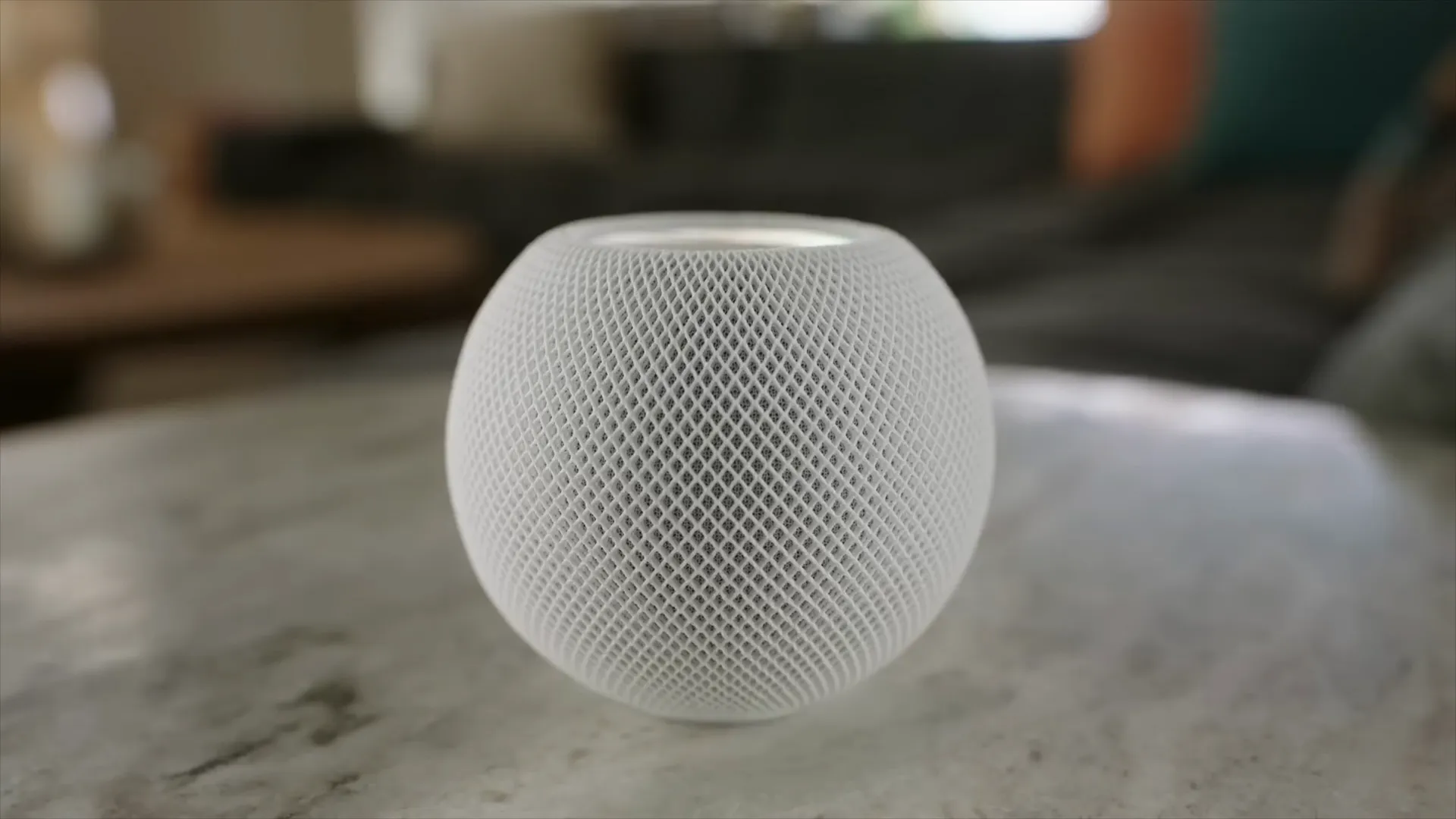
HomePod mini gets a long-overdue refresh
Apple hasn't touched the HomePod mini since 2020. It's well past time for an update. While you shouldn't expect any massive design overhauls on the outside, the internals are getting a serious glow-up to handle the demands of Apple Intelligence.
Expect fresh new colors, upgraded internal sensors, and noticeable improvements to both microphone and speaker quality. With Siri AI at the helm, the new mini will be much better at understanding and executing complex commands on the fly. Because of these upgraded internals, expect a slight price bump from the original $99 price tag.
Apple TV 4K levels up its internals
The Apple TV 4K is an essential living room hub for many of us. The last hardware update dropped in 2022. Just like the HomePod mini, the physical box and your remote will look more or less identical, but the real changes are happening under the hood.
This new version is built to support Apple Intelligence directly on your TV.
- Better processing: Expect a much faster chip to handle complex on-device AI tasks.
- More memory: A significant bump in RAM to keep your interface fast and snappy.
- Improved connectivity: Upgraded wireless specs for smoother streaming and faster smart home integration.
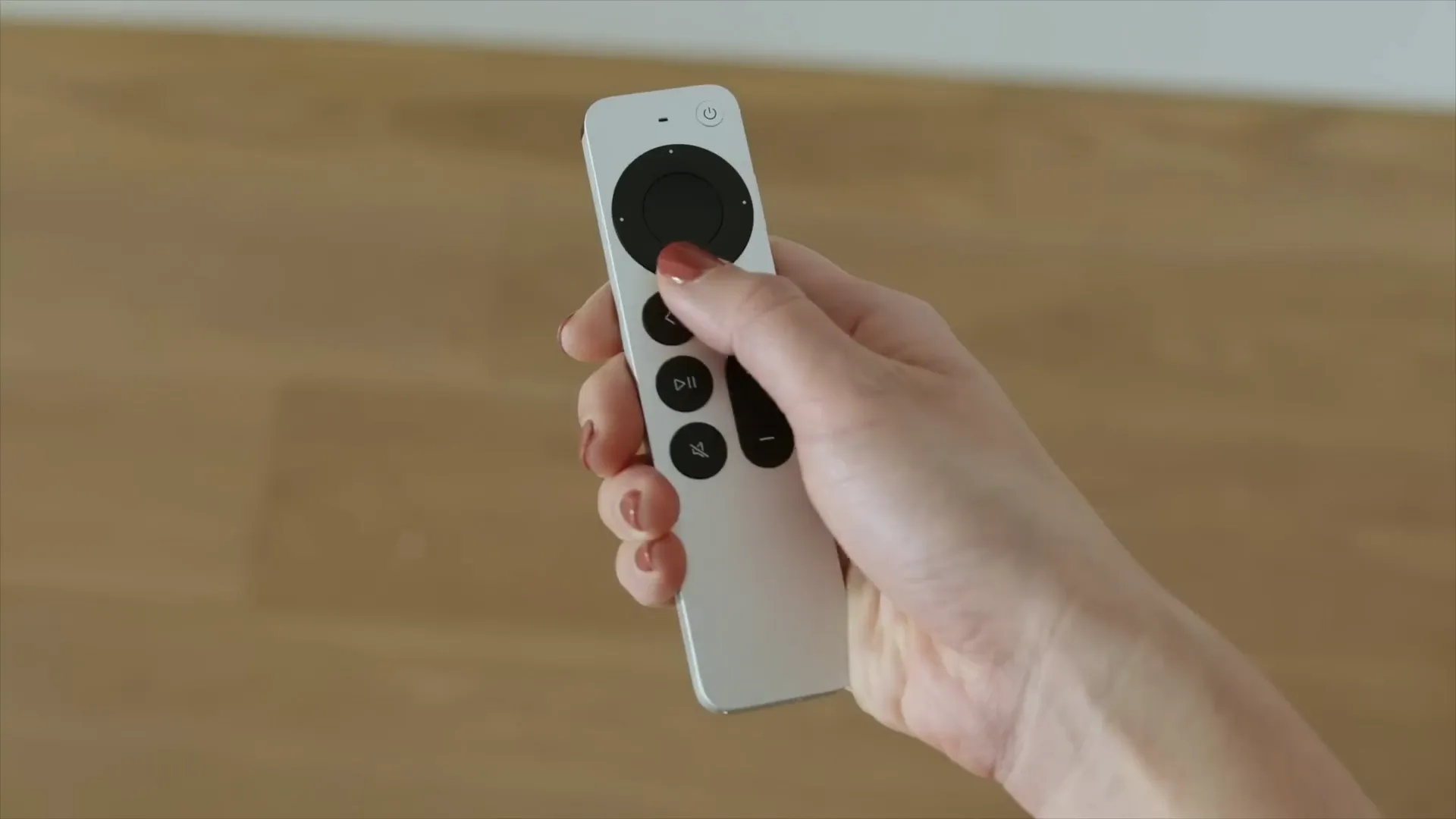
Thanks to Siri AI, you'll be able to ask your TV highly specific, conversational questions right from the couch. In return for the boosted specs, prepare for a slight bump in retail price.
The all-new Home Hub
This is the star of the show. Apple is finally releasing a dedicated smart display, effectively blending an iPad with a larger HomePod.
If you remember the classic iMac G4, this design will look very familiar. It features a half-orb speaker base with a screen attached via an adjustable arm, letting you easily tilt and move the display to suit your viewing angle.
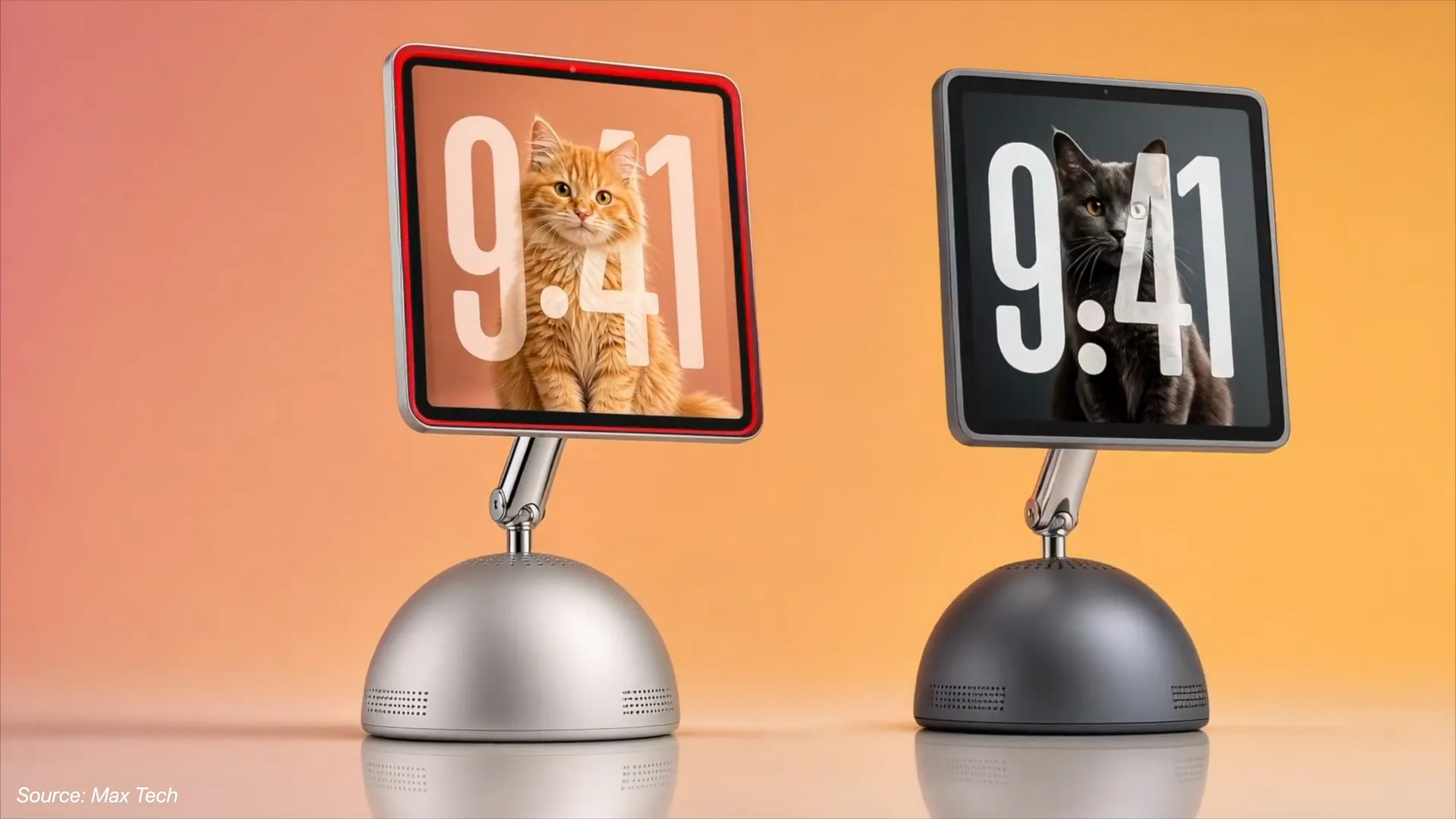
This device is designed to be the absolute center of your home. It uses Thread protocols and Apple HomeKit to let you fully control your house from one place. The display gives you quick access to your calendar, the weather, interactive widgets, music controls, and cooking timers.
Personalized Face ID profiles
The most powerful feature of the Home Hub relies on its front-facing camera. It isn't just for taking FaceTime calls—it actively scans who is standing in front of it to customize the experience.
- Walk up to the Home Hub.
- The front-facing camera identifies you via Face ID.
- The interface instantly swaps to your personal profile, displaying your specific widgets, upcoming calendar events, and tailored music recommendations.
Apple is expected to price this premium hub between $300 and $350. We might even see two variations at launch: a tabletop version with the adjustable foot, and a slightly cheaper, flat version that mounts directly to your wall.
A few more things
Apple isn't stopping at hubs and speakers. They are reportedly partnering with LG to launch a suite of Apple-branded smart home accessories. Moving forward, expect to see first-party devices designed to seamlessly plug into this new ecosystem, including:
- Smart doorbells
- Smart thermostats
- Temperature sensors
That's a wrap
Apple is clearly ready to make a serious push into the smart home space. With Apple Intelligence tying everything together, your home ecosystem is about to get a lot smarter and much more frictionless. The October 13 event should be packed, so get your living room ready for an upgrade.
Last updated: Oct 14, 2026