
Tim Cook on the 'Sparkle in Steve's Eye' and Becoming Apple's CEO
Apple is approaching its massive 50th anniversary milestone. For nearly 30 of those years, Tim Cook has been at the center of the company's wildest lows and highest peaks.
Looking back at his journey from joining a struggling tech company to taking the helm as CEO, Cook's reflections offer a rare window into what made Steve Jobs different. It is a story about contrarian thinking, sudden transitions, and the real legacy left behind.
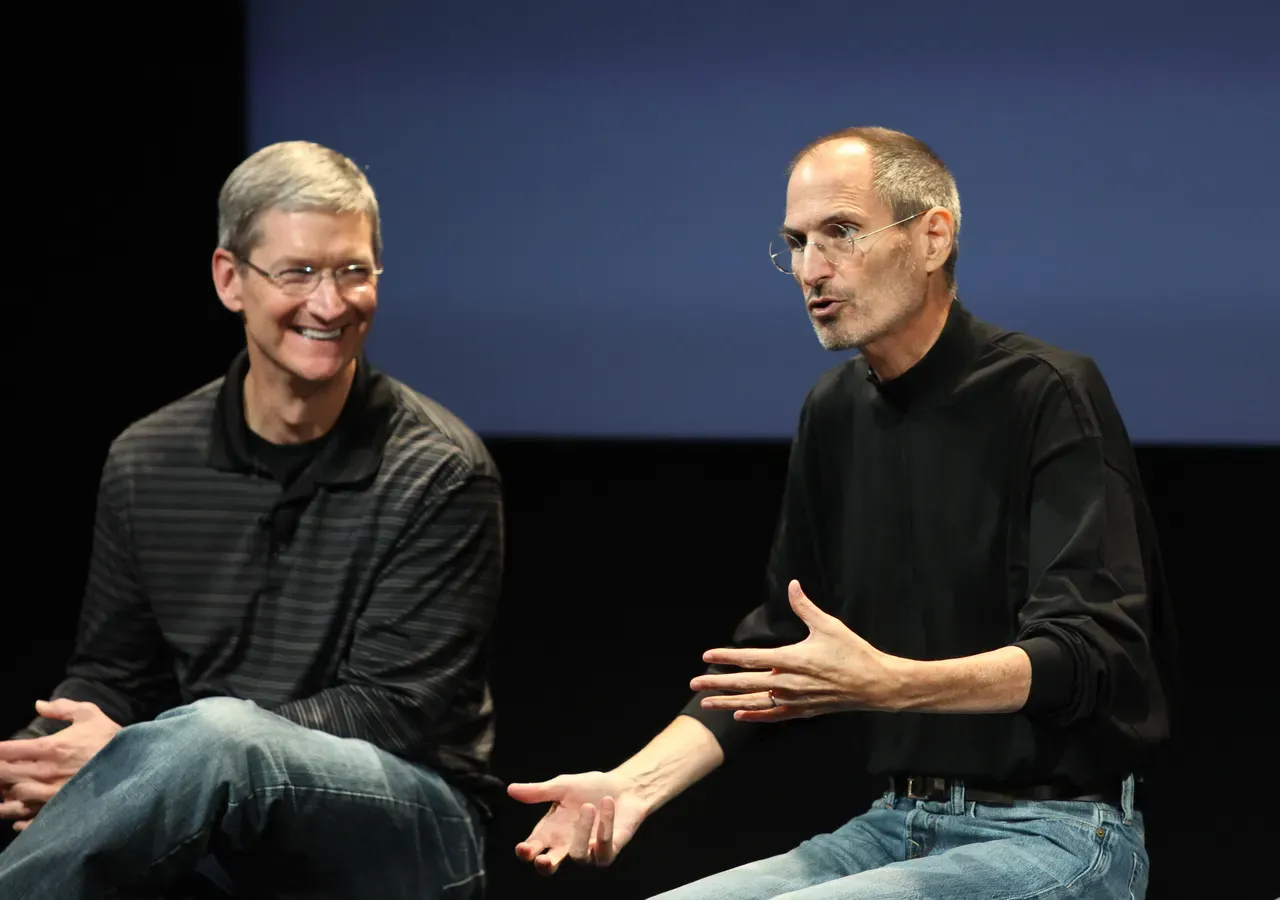
Joining Apple at its absolute lowest
Back in the late 90s, Apple was not the juggernaut you know today. It was at one of the lowest points in its history. During this time, the rest of the tech industry was pivoting hard into the enterprise space. The consumer market was viewed as a dead end.
Then Cook met with Steve Jobs.
Jobs was deciding to double down on the consumer market. It was a brilliant, highly contrarian strategy that went against everything the herd was doing. Cook saw a literal sparkle in Steve's eye during their meeting. Having met plenty of other CEOs, Cook knew right away that Jobs was entirely different.
Cook wanted to be a part of what could be a great American turnaround story. He threw caution to the wind, accepted the job, and never looked back.
The day Steve passed the baton
Fast forward to 2011. The iPhone was hitting the mainstream, and Apple was transforming into a global powerhouse. Behind the scenes, however, Jobs was on a medical leave of absence.
One day, Jobs called Cook over to his house. He told Cook he wanted him to take over as CEO.
Because Jobs loved being CEO so much, Cook was completely caught off guard. He kept pushing back and asking, "Are you sure?" Eventually, Jobs simply told him to stop asking. Cook accepted the role, fully assuming that Jobs would remain Chairman of the board for a long time to come.
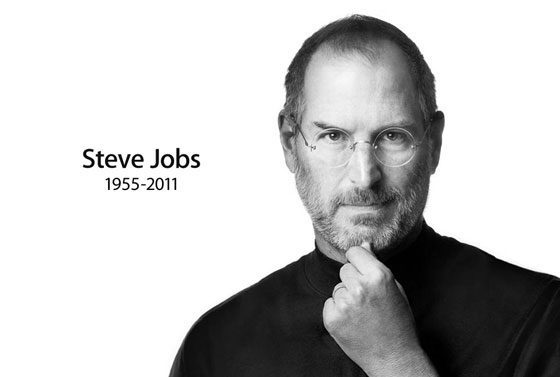
Tragically, things did not work out that way. Jobs passed away just six weeks later. It was an incredibly sad and jarring transition for the entire company.
Steve's greatest invention wasn't a product
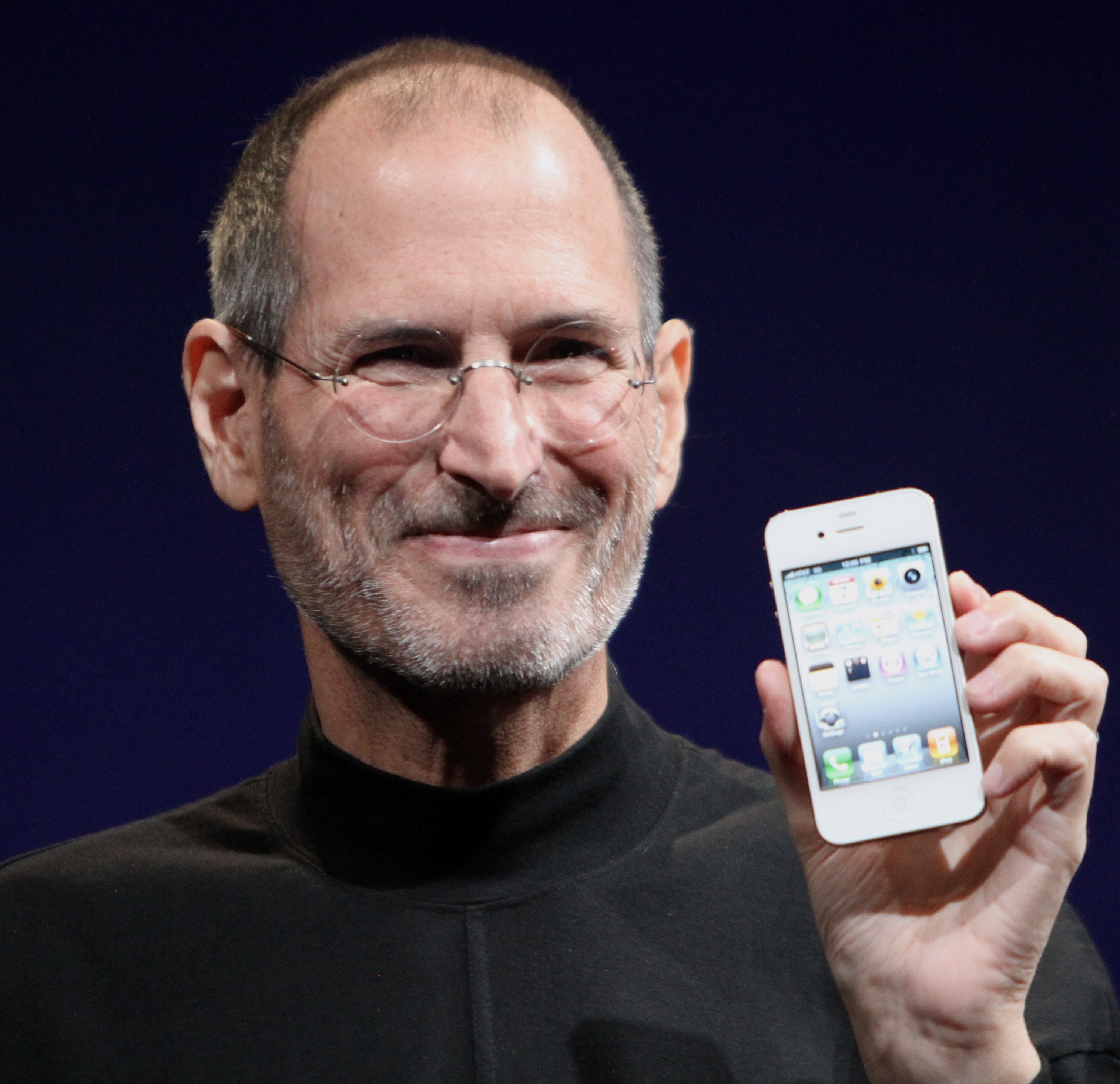
When you think of Steve Jobs, your mind probably jumps straight to the Mac, the iPod, or the iPhone. But his greatest invention wasn't a physical product.
His greatest invention was Apple itself.
The true legacy Jobs left behind is the culture of the company. It is a rebel spirit that aggressively wants to change the world for the better. You see this culture playing out in the real world when you talk to the people using these devices.
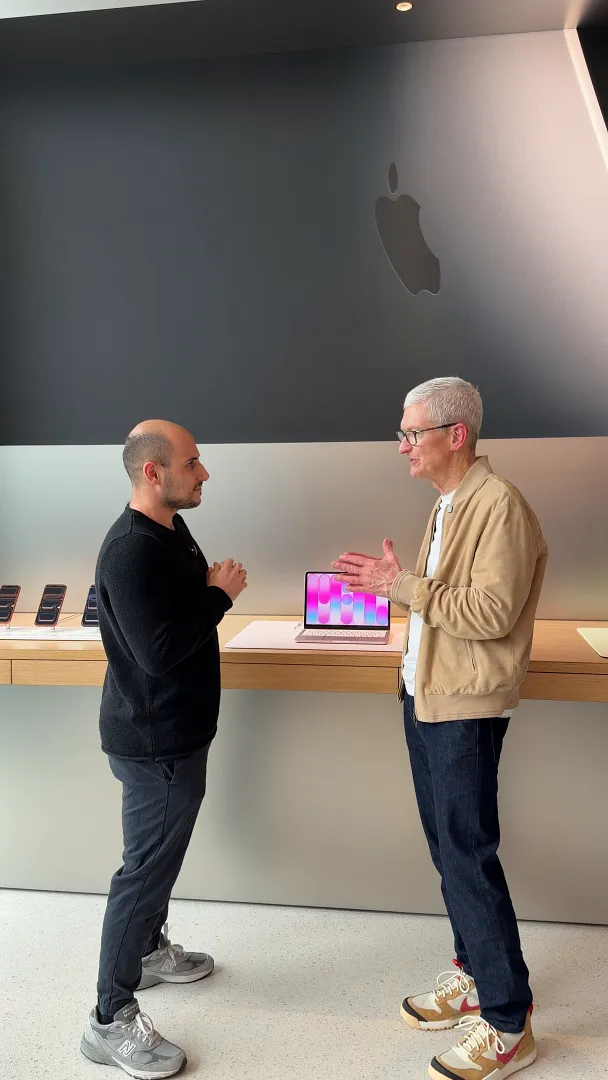
For Cook, the most memorable moments over the last 30 years haven't been massive product launches. They are the moments spent meeting everyday users. Hearing how someone is making new music, creating something they couldn't before, or having their life saved by the health features on the Apple Watch. That is the rebel spirit in action.
Key takeaways
If you are building a team or a product, there are a few timeless lessons hidden in this era of Apple's history:
- Don't follow the herd. Apple survived its darkest days by doubling down on consumers when every other major tech company was fleeing to enterprise sales.
- Culture outlasts products. Hardware eventually becomes obsolete. A strong company culture with a clear mission can drive innovation for decades.
- Measure success by user impact. The real reward of building technology is seeing the unexpected, life-changing ways people use it in their daily lives.
The bottom line
It has been well over a decade since that sudden leadership transition. Apple has spent those years suiting up and pushing that rebel spirit forward to honor Steve Jobs. As the company inches closer to half a century, that initial sparkle in Steve's eye is still driving the roadmap.
Last updated: Oct 14, 2026